Soil 101
Why do most soils lack what plants need —
and what can we do about it?
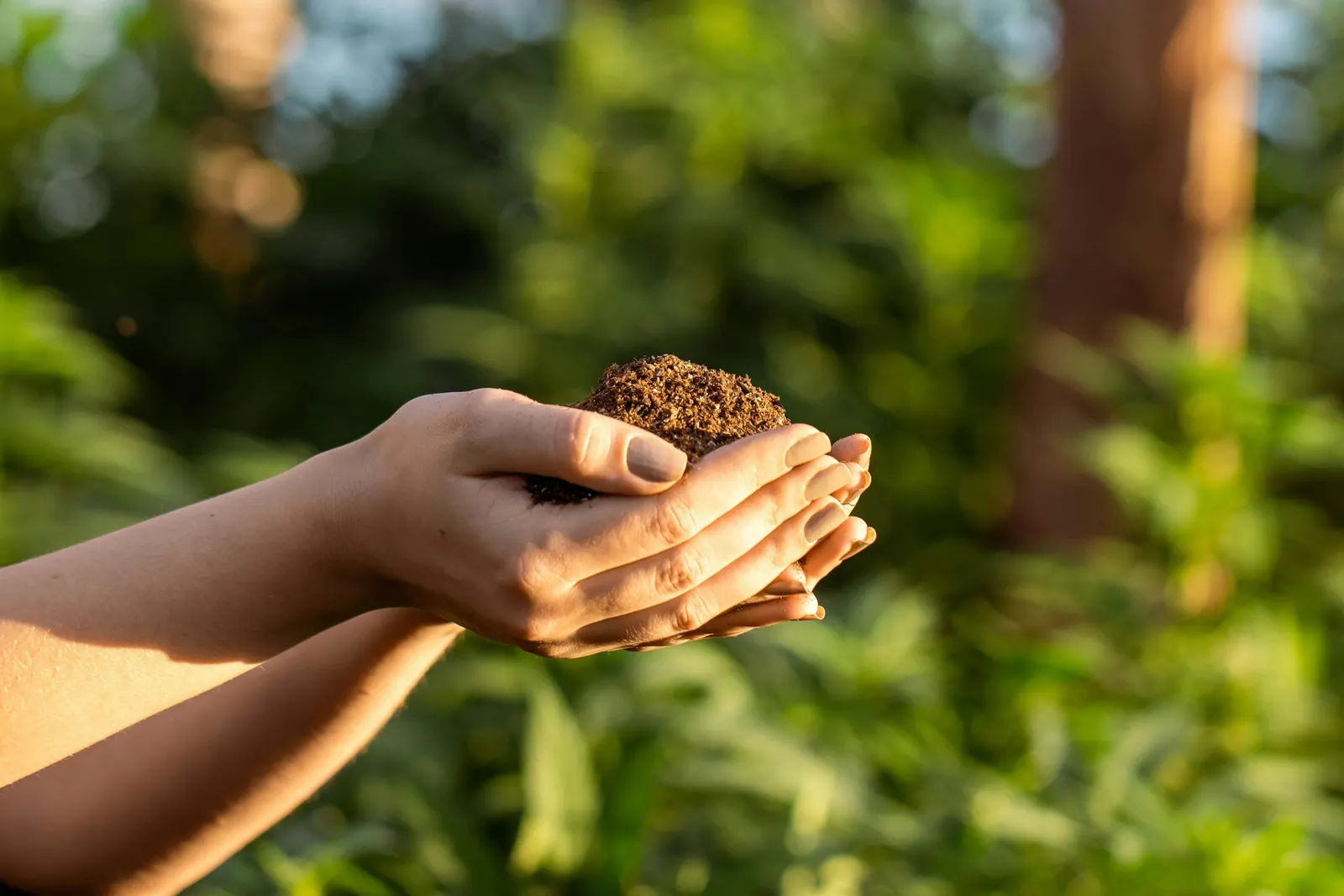
The nutrients plants need are already in the dirt. The trick: turning dirt into soil requires life — and life requires food.
- 01
Dirt vs. soil
Most soils lack the nutrients or structure needed for healthy plants. The nutrients are already there in the dirt — turning dirt into soil requires life.
- 02
Life requires food
Plants pump sugars made by photosynthesis into the soil. Those exudates feed microbes that in turn feed the plant — a constant exchange.
- 03
Bacteria mine the minerals
Bacteria break down rock, silt, sand, and clay with alkaline enzymes to access the nutrients they need.
- 04
Fungi crack the carbon
Fungi use acidic enzymes to break down organic matter — the same enzymatic work our saliva does on a foggy pair of glasses.
- 05
Waste becomes glue
Microbes consume more than they need and poop out the rest. That waste binds soil aggregates together.
- 06
Aggregates become structure
Bacteria build the bricks. Fungi, as they move through the soil, connect those aggregates into structure that holds water and oxygen.
- 07
Predators arrive
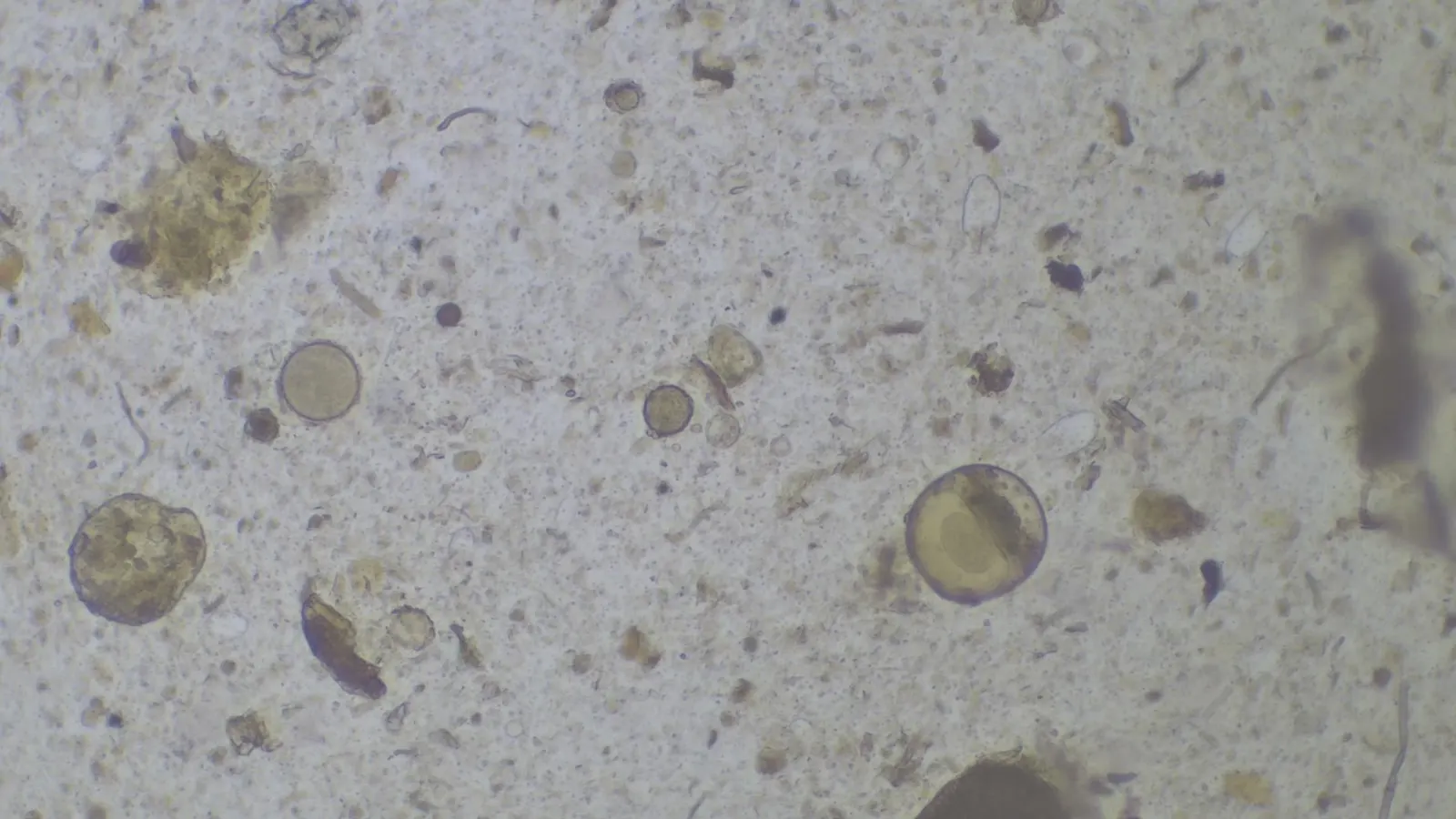
As bacterial and fungal populations grow, higher organisms — protozoa, amoebae, nematodes, actinobacteria — come to feed.
- 08
Nutrient cycling
Predators release the nutrients they consume in plant-available forms. Microorganisms building soil cities right around the roots.
- 09
And tillage?
Tillage has the effect of Godzilla making its way through a major city. The structure collapses; the cities have to be rebuilt.
It's all connected
From microbes to mental clarity.
Supporting a diverse soil food web ensures nutrient cycling, feeds and protects plants, and increases production, flavor, and nutrient density. That feeds our guts, fuels mental clarity, eases inflammation, and softens the effects of compound stress and trauma.